Why Most Portfolio Websites Fail (And What Actually Works)
- OfflineOnline team
- Dec 25, 2025
- 2 min read

Many professionals invest time and money into building a portfolio website and still struggle to get responses from recruiters or clients. The problem is rarely design quality. It’s usually a lack of clarity.
Over the years, I have noticed a few common mistakes that cause otherwise decent portfolio websites to underperform.
These patterns come from reviewing and building portfolio websites for freelancers, consultants, and small businesses who needed clearer positioning.
1. Trying to show everything at once
Most portfolio sites fail because they try to include too much information.
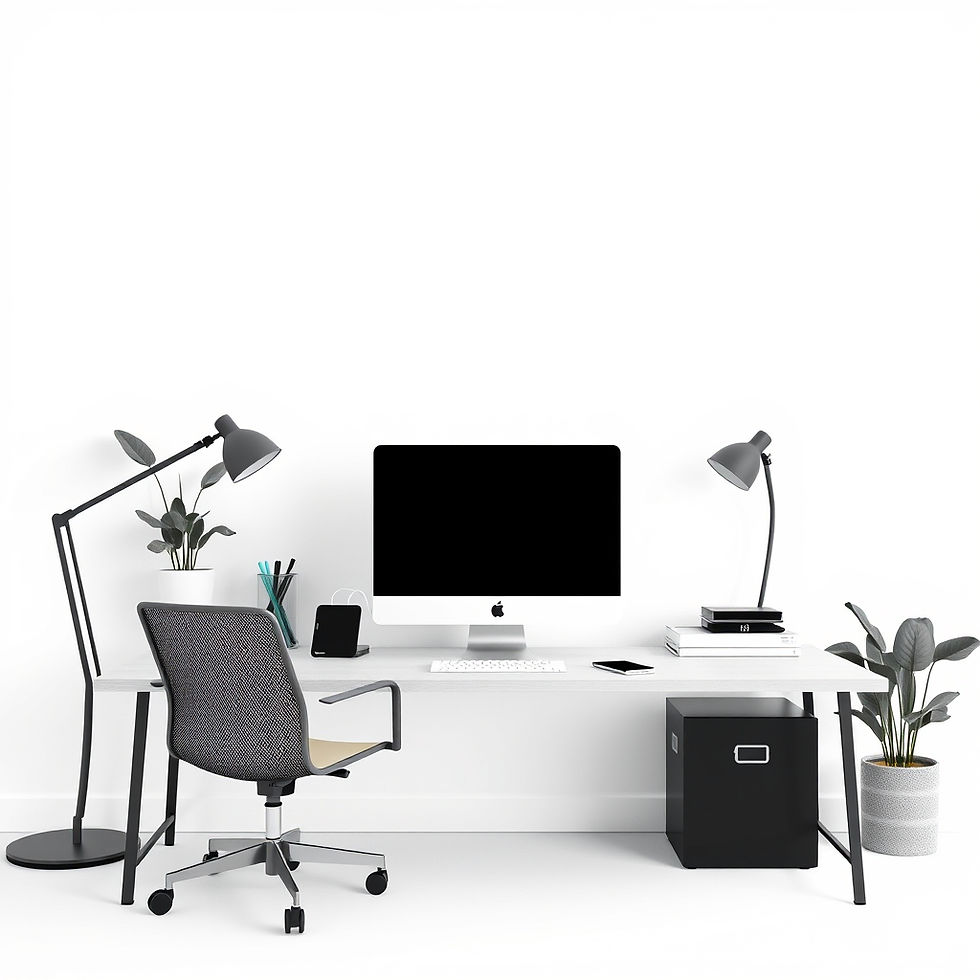
Long introductions, multiple sections, excessive explanations — all before the visitor understands who the site is for.
A portfolio website should answer three questions quickly:
Who is this person?
What kind of work do they do?
How can I verify it?
Anything that delays these answers creates friction.
2. Making the visitor work too hard
Recruiters and clients scan websites. They don’t study them.
When key information is buried inside long paragraphs or spread across too many pages, visitors leave — not because the work is bad, but because it takes effort to understand.
Clear structure, short sections, and obvious navigation matter more than creative layouts.
3. Confusing creativity with clarity
Visual creativity is valuable — but only after clarity is established.
A portfolio website is not a personal art project. Its job is to make it easy for someone else to evaluate your work and make a decision.
Simple layouts, readable text, and predictable navigation often perform better than visually complex designs.
4. Treating the website as a static document
Many professionals build a portfolio once and never revisit it.
A good portfolio website evolves:
Projects are updated
Language becomes sharper
Content reflects current goals
Even small improvements over time can significantly increase its effectiveness.
What actually works
Successful portfolio websites focus on:
Clear positioning
Easy verification of work
Minimal but purposeful content
A straightforward way to get in touch
Design supports these goals — it doesn’t compete with them.
Closing
A portfolio website doesn’t need to impress everyone.It needs to feel clear and trustworthy to the
When clarity comes first, design becomes more effective — and the website starts doing its real job.
If you’re planning a portfolio website and want it to feel clear and professional, feel free to get in touch.

Comments